
Registration Information
REGISTER HERE!
Registration pricing for the 2026 Annual Conference is listed below. For questions, email info@aptaoregon.org.
APTA-Oregon Member Pricing
PT Member $225
PTA Member $175
Student Member $99
Non-Member Pricing
PT Non-Member $325
PTA Non-Member $250
Student Non-Member $149
Service Member $195
Schedule
7:30 AM
8:00 AM - 9:30 AM
9:30 AM -10:00 AM
10:00 AM - 11:00 AM
11:00 AM - 11:15 AM
11:15 AM - 12:15 PM
12:15 PM - 1:00 PM
1:00 PM - 2:00 PM
2:00 PM - 2:15 PM
2:15 PM - 3:15 PM
3:15 PM - 3:30 PM
3:30 PM - 4:30 PM
Conference Registration Opens
Keynote Speaker presented by Rich Severin
Break
Morning Sessions - Severin, Lehecka, Shepherd
Break
Morning Sessions - Severin, Swake, Bompiani
Lunch & Voluntary Inpatient Rehab Tour
Afternoon Session - Severin, Wilkinson, Cole
Break
Afternoon Sessions - Severin, Brodsky, Cole
Break
Afternoon Sessions - Severin, Malin, McKinney
Session Descriptions
Keynote Speaker: Evidence Based Respiratory Muscle Testing and Training
Presented by Rich Severin
The respiratory muscles are the most active skeletal muscles in the body and play a critical role in ventilation and human movement. Some patients may demonstrate loss of respiratory muscle strength, endurance, or both making it difficult to exercise due to dyspnea, and early fatigue. In such patients, examining for impaired respiratory muscle performance and potentially intervening with respiratory muscle training is a crucial element of effective care.
Despite decades of evidence suggesting the impact of respiratory muscle performance on human movement, and the value of respiratory muscle testing and training they are not routinely implemented across physical therapy practice.
This course will provide attendees with a thorough review of respiratory physiology, evidence-based testing protocols, and guidelines for training. Additionally, attendees will also learn how to modify protocols for health conditions where impaired respiratory muscle performance is more prevalent. Lastly, attendees will learn how to implement respiratory muscle testing and training into their clinical practice.
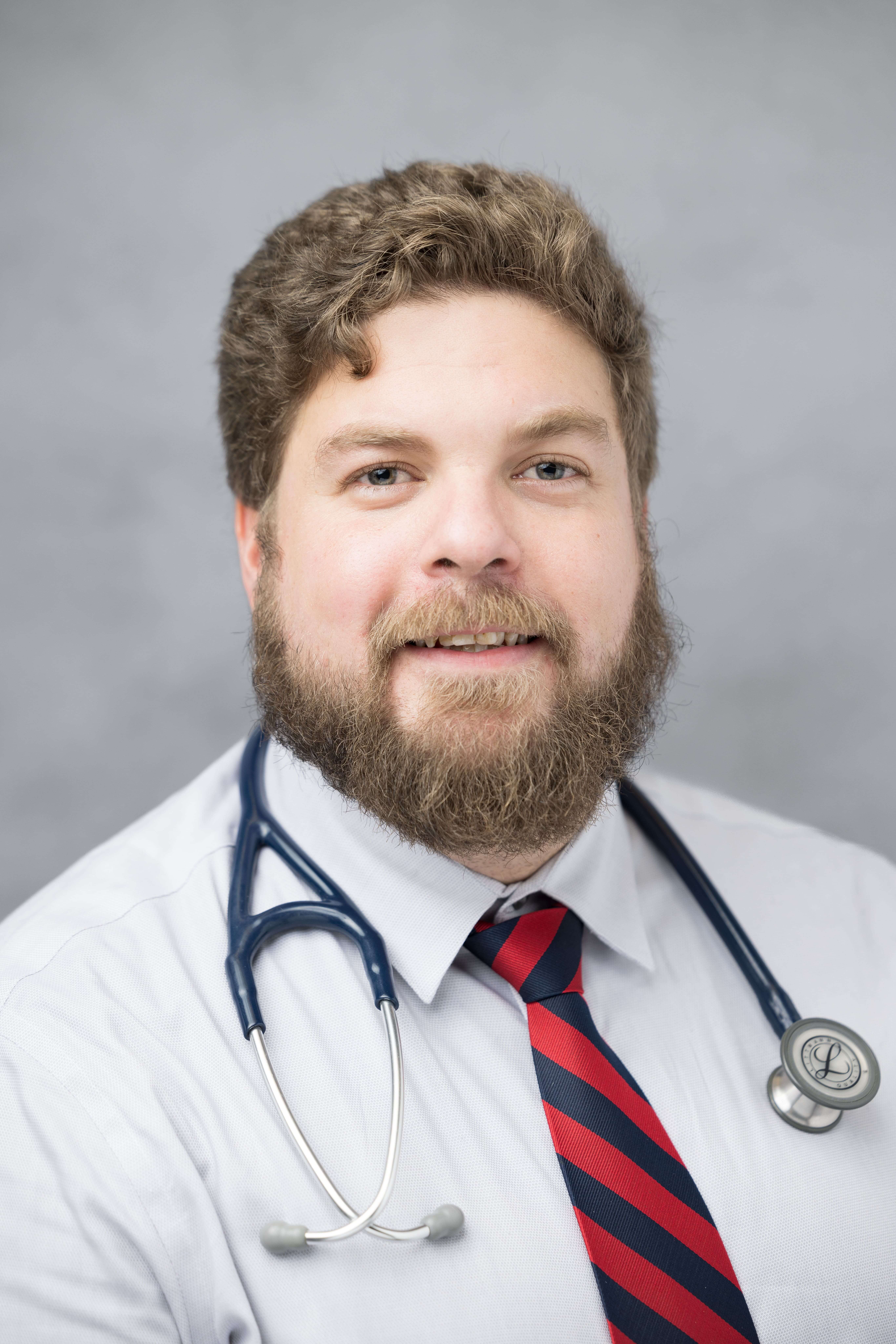
Rich Severin PT, DPT, PhD is a board-certified cardiovascular and pulmonary clinical specialist. Dr. Severin serves as clinical assistant professor in the Department of Physical Therapy at the University of Illinois at Chicago and is the program coordinator of the UIC/UIHealth bariatric surgery rehabilitation program. Additionally, he serves as a member of the APTA Public Policy and Advocacy Committee, associate editor of Cardiopulmonary Physical Therapy Journal and is Chief Delegate for the APTA Academy of Cardiovascular and Pulmonary Physical Therapy. He has published scholarly work and presented both nationally and internationally on the topics of respiratory muscle performance, ultrasonographic imaging, and medical screening in physical therapy practice. He is also the author of the inaugural section on respiratory muscle testing and training published in the 12th Edition of the ACSM Guidelines to Exercise Testing and Prescription
Butt Science: A Clinical Update on Gluteal Assessment and Rehabilitation
Presented by BJ Lehecka
Butt Science: A Clinical Update on Gluteal Assessment and Rehabilitation This 60-minute session moves beyond basic gluteal exercises to explore the advanced clinical application of gluteal strengthening in musculoskeletal rehabilitation. We will begin with a brief anatomical review and immediately dive into the evidence-based significance of gluteal function across various pathologies, including low back pain (LBP), patellofemoral pain (PFP), and common knee and other lower extremity injuries. The core of the course focuses on practical application. You will learn reliable methods for assessing gluteal strength (dynamometry/MMT) and endurance (GEM tests), paired with functional movement analysis. We will then cover effective training principles, including techniques for optimizing muscle activation through cueing, selecting appropriate exercises for the gluteus maximus and medius, and improving patient compliance. Finally, the session addresses the clinical management of a specific challenge: gluteal tendinopathy. By the conclusion, you will have the tools to integrate evidence-based decision-making into your practice to enhance patient outcomes through targeted gluteal rehabilitation.
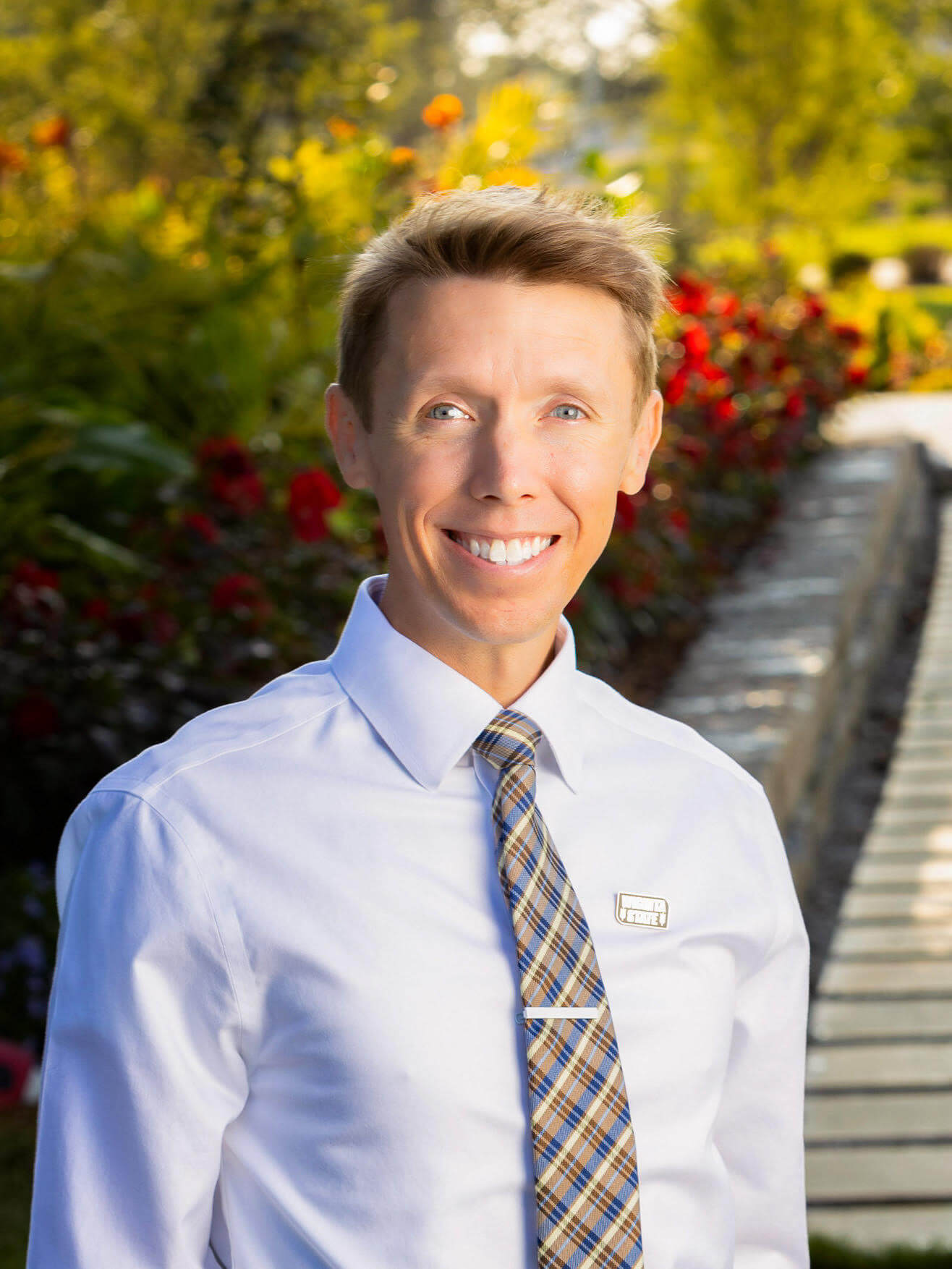
B.J. Lehecka, DPT, PhD is a Professor in the Department of Physical Therapy at Wichita State University (WSU). At WSU, he teaches content concerning the hip, spine, gait, and other facets of musculoskeletal evaluation and treatment. Dr. Lehecka has published many peer-reviewed journal articles, authored and edited numerous book chapters, and presented at state, national, and international conferences. He received the KPTA Award in Academic Excellence, WSU's Academy for Effective Teaching Award, and KSU's Distinguished Clinician Award. He earned a DPT from Wichita State University, and a PhD in Orthopedic and Sports Science from Rocky Mountain University of Health Professions.
Cerebral Palsy Across the Lifespan: Bridging Pediatric and Adult Services
Presented by Erin Bompiani, Cowley, Stacy Wong
Cerebral palsy (CP) is the most common motor disability in childhood, yet the need for supportive healthcare interventions continues across the lifespan. Adults with CP are a growing population requiring care to manage complex and evolving health, participation, and wellness needs. During the transition to adulthood, many encounter a “service cliff,” with limited access to providers familiar with the long-term effects of CP and secondary conditions that can emerge over time.
Evidence indicates that adults with CP experience higher rates of pain, fatigue, early-onset joint degeneration, osteoporosis, and cardiometabolic conditions than age-matched peers. These challenges can impair daily function, participation, and quality of life. Many adult providers feel unprepared to manage the long-term needs of individuals with childhood-onset disabilities, resulting in fragmented, non-individualized care. Consequently, adults with CP often bear the burden of educating providers and advocating for their own needs. This session seeks to bridge that gap by combining lived experience with clinical insight to support more confident, person-centered care.
The interactive panel invites PTs from all practice settings to engage with adults with CP. Panelists will share experiences navigating healthcare systems and seeking continuity of care, highlighting what meaningful, person-centered care looks like across the lifespan and where gaps persist. By integrating personal testimony and current evidence, this session will identify practice gaps, promote interprofessional collaboration, and provide actionable strategies to enhance function, participation, and wellness throughout adulthood in people with CP.

Erin Bompiani, PT, DPT
Board Certified Pediatric Clinical Specialist
Erin Bompiani is an Associate Professor at Pacific University in Oregon with experience practicing across a variety of pediatric physical therapy settings. She is passionate about supporting individuals with disabilities and their families, advocating for improved care, and collaborating with other providers to achieve high-quality, coordinated services. Erin is an active member of APTA Pediatrics and currently serves on the Knowledge Translation Committee and on the Board of Directors as Director of Leadership Development.
Joel Cowley, PT, DPT
Joel Cowley, PT, DPT, is a physical therapist at Shriners Children’s Portland and a lab instructor at Pacific University. He has worked in pediatrics since 2017, treating a range of neuromuscular and orthopedic conditions. Joel is passionate about providing evidence-informed, collaborative care that supports function and participation for children and youth.
Stacy Wong, PT, DPT
Board Certified Pediatric Clinical Specialist
Stacy Wong is an Associate Professor at Pacific University in Oregon with experience practicing in outpatient pediatric settings where she had the opportunity to work with individuals with disabilities across the lifespan. Her current academic position allows her to support the next generation of physical therapists to improve quality of care for all individuals.
Caring for the Female Athlete Through the Lifespan
Presented by Tess Swake
Female athletes experience unique physiological, hormonal, and musculoskeletal changes throughout their lives that influence performance, recovery, and injury risk. This session will explore evidence-based approaches to caring for the female athlete from adolescence through post-menopause, emphasizing the evolving clinical considerations across each life stage. Participants will examine the impact of hormonal fluctuations, bone density changes, and pelvic health factors on musculoskeletal function and athletic performance. Special attention will be given to the management of athletes during pregnancy and lactation, including safe exercise progression and return-to-sport strategies. The presentation will also address common clinical conditions affecting female athletes, such as Relative Energy Deficiency in Sport (RED-S), Pelvic Floor Dysfunction (PFD), and Bone Stress Injuries (BSIs), with a focus on early recognition, screening, and interdisciplinary management. Through case-based discussion and application of current evidence, attendees will learn to design individualized, stage-specific interventions that support optimal performance, reduce injury risk, and promote long-term health for female athletes across the lifespan and understand when and who to refer out to to provide the best care for female athletes.
Tess Treinen Swake has been a Physical Therapist since 2011 and Assistant Professor at George Fox University since 2021 after seven years as a Traveling Physical Therapist. She is a Board Certified Orthopedic Clinical Specialist and expanded her practice area into Pelvic Health Physical Therapy in 2021. Her research focus is on pelvic health treatment techniques for active females and collegiate athletes and works Pro Bono at the George Fox University Clinic treating pelvic and orthopedic conditions. Tess serves as Vice President of APTA Oregon, Oregon State Representative and Clinical Practice Guideline Steering Committee for the Academy of Pelvic Health.
UDL in Action: Creating Inclusive Patient and Clinician Experiences in Physical Therapy
Presented by Brian Wilkinson, Christina Howard, and Tabitha Galindo
Traditional models of clinical practice may inadvertently create significant barriers for both patients and clinicians due to their implied assumptions about patient needs and preferences for engaging in physical therapy. Universal Design for Learning (UDL), a research-based framework from cognitive neuroscience, shifts the focus from "fixing the patient" to "fixing the environment" by anticipating human variability. This course will empower members of the physical therapy profession to apply the three core UDL principles (Multiple Means of Engagement, Representation, and Action & Expression) across the entire continuum of care, from intake processes to scheduled discharge. Participants will engage with evidence-based strategies to create flexible systems in scheduling, intake paperwork, evaluation delivery, and Home Exercise Program (HEP) design. By proactively designing for diversity in learning, motivation, and comprehension, clinicians can improve patient outcomes and foster a more inclusive and effective work culture.
Brian J Wilkinson (he/him) completed his Doctor of Physical Therapy studies at the University of Southern California in 2006, and currently specializes in conditions of the upper extremity as a Certified Hand Therapist. Dr Wilkinson is an Associate Professor at Pacific University in the School of Physical Therapy & Athletic Training and teaches the Physiology & Pharmacology courses. He is an active member of the American Physical Therapy Association, the American Physical Therapy Association of Oregon and the American Society of Hand Therapists.
Christina D Howard (she/her) completed her Doctor of Education at the University of St. Augustine for the Health Sciences in 2020, and is a physical therapist who practices in outpatient orthopedics, with a focus on persistent pain management. Dr. Howard is a co-founder of Axis Physical Therapy & Rehab, Inc., and the Faculty Program Coordinator for the Physical Therapist Assistant Program at Lane Community College in Eugene, Oregon. She is the Past President of APTA Oregon and maintains active advocacy of workforce inclusion for people with disabilities.
Dr. Tabitha D Galindo (she/her) has a clinical Doctorate of Physical Therapy with a Board Certification in Neurologic Rehabilitation and an academic Doctorate of Education. Dr. Galindo is an Assistant Professor at Pacific University in the School of Physical Therapy & Athletic Training and teaches Neuroscience & Bioethics. Additionally, she practices as an outpatient therapist in a hospital-based clinic. Her dissertation work focused on neuro-inclusive practices among health professions faculty, including UDL principles.
From Spears to Spirals: Rehabilitation of the Throwing Athlete
Presented by Shawn Cole, Kaitlyn Schlueter, Shanon Williams
Discussions on rehabilitation and performance training of the throwing athlete is often confined to baseball pitching. Considering the popularity of softball, football, and track and field in the United States, clinicians will often encounter throwing related injuries in those sports outside of baseball. The kinetics/kinematics of these other throwing motions can vary greatly from that of the baseball pitch. Having a keen understanding of these differences as well as the demands of the sport can aid the clinician in identifying risk factors for injury, effectively designing a rehabilitation program including return to throwing that accounts for the unique demands of the sport, and provide guidance in programs to enhance sport performance. This course will compare and contrast the throwing mechanics of baseball pitching with that of softball pitching, football throwing, and javelin throwing to provide clinicians with the necessary background to provide safe and effective care to these unique throwing athletes.
Shawn Cole graduated Magna Cum Laude from the University of Arizona with a degree in physiology before completing his Doctorate of Physical Therapy degree at Northern Arizona University with distinction in 2010. After completing a sports residency through UF Health Shands and the University of Florida, he was recognized by the American Board of Physical Therapy Specialists (ABPTS) as a Sports Clinical Specialist in 2018. He is a full-time treating clinician at Samaritan Athletic Medicine on the campus of Oregon State University where he serves a wide range of active patients and works collaboratively with Division I athletics including cross-country, track and field, and rowing. Placing a high value on education, he also serves as a clinical mentor in the Samaritan Athletic Medicine’s Sports Physical Therapy Residency and has provided educational opportunities at the local and state levels.
Kaitlyn Schlueter graduated from the University of California, Davis in 2012 with a Bachelor of Science in Exercise Biology. She then received her Doctorate of Physical Therapy (DPT) from Duke University in 2016, and went on to complete her Sports Residency training at The Ohio State University, where she graduated in 2018. Kaitlyn was recognized by the American Board of Physical Therapy Specialists (ABPTS) as a Sports Clinical Specialist in 2018. It was at this time that Kaitlyn took on a faculty role in the Sports Physical Therapy Residency Program at Samaritan Health Services / Oregon State University in Corvallis Oregon. After serving a year as faculty, Kaitlyn stepped into the Program Coordinator role for 3 years, and now serves as the Program Director for the Sports Physical Therapy Residency Program at Samaritan Health Services / Oregon State University.
Kaitlyn has been an active member of the American Physical Therapy Association (APTA) since joining as a student while attending Duke University. Kaitlyn served as a task force lead for 2 years in the previously recognized Specialization Special Interest Group (SIG) within the Sports Section of the APTA, working to develop best process for Sports Physical Therapy residency program collaboration. Kaitlyn currently serves as the Chair of the newly recognized Specialization Committee within the Sports Section of the APTA. Kaitlyn has also been a contributing member of the Academy of Education’s Residency and Fellowship Special Interest Group (RF-SIG) for 5 years.
As a clinician, Kaitlyn currently serves athletes across the spectrum, and collaborates closely with Oregon State University’s Division I Athletics Department in her role with their baseball, softball and women’s volleyball programs. She has also had the opportunity to serve as a Volunteer Medical Provider with the US Olympic & Paralympic Committee, covering and providing care for various winter sport teams and athletes. Kaitlyn has presented at Physical Therapy and inter-disciplinary healthcare conferences locally, statewide and nationally on a variety of topics related to sports physical therapy, rehabilitation and physical therapy residency education.
Shanon Williams is a Board-Certified Sport Physical Therapy Specialist, having completed residency training at Samaritan Athletic Medicine and Oregon State University in 2022. Prior to this he received his bachelor’s degree in exercise science at Montana State University and his Doctor of Physical Therapy at the University of Montana in 2021. Currently, Shanon continues to work as a clinician at Samaritan Athletic Medicine/Oregon State and collaborates closely with their D1 athletics program including football, women’s soccer, and wrestling. His treatment philosophy centers on the belief that sports rehabilitation can be optimized through the integration of objective data and thorough clinical reasoning to enhance decision making
Physical Therapy and Audiology Working Together: Assessment and Treatment Pathway for Somatosensory Tinnitus
Presented by Jennifer Brodsky and Sarah Theodoroff
Tinnitus has remained the top service-connected disability for Veterans receiving compensation since 2007, with > 3 million recipients in Fiscal Year 2024.1 It is estimated that approximately 50% of Veterans with tinnitus may have somatosensory tinnitus (ST).2 A hallmark sign of ST is that the tinnitus characteristics can be modulated by movements of the head, neck, or jaw, and is linked to musculoskeletal dysfunction.3 Evidence supports PT interventions for multimodal management of musculoskeletal cervical neck pain and temporomandibular disorders.4,5 Typically, patients with tinnitus are seen by audiologists for assessment and treatment.6 When ST is suspected, a referral to physical therapy (PT) is warranted to confirm an underlying biomechanical deficit associated with the tinnitus. Therefore, PTs have a role in screening for and treating ST.7,8 However, clinicians do not routinely screen specifically for ST, and currently there is no standardized assessment for ST in a PT exam.
A first step of an ongoing clinical trial assessing the feasibility of individualized physiotherapy for ST was to adapt the standardized PT exam9 to include procedures that capture changes in tinnitus perception. The purposes of this talk are to 1) raise awareness of ST among PT practitioners, and 2) describe the modifications made to APTA’s standard exam so that PTs could capture perceived changes in tinnitus loudness, pitch, and/or location, linked to a biomechanical deficit to confirm the presence of ST. Developing a standardized assessment for ST will improve the consistency in participant selection for much-needed intervention trials in the treatment of ST.10
Dr. Jennifer Brodsky is a VA OAA Polytrauma Fellow at the VA Portland HCS and National Center for Rehabilitative Auditory Research (NCRAR). She received her BS in Physiological Sciences from the University of Arizona, and Doctorate in Physical Therapy from Northern Arizona University in 2007. After 12 years of clinical practice, she completed her PhD in 2024 at the University of Washington. This was followed by one-year postdoctoral fellowship at OHSU’s Balance Disorders Laboratory and NCRAR. Dr. Brodsky’s research interest is in understanding how sensory systems for balance are altered with aging and neurological disorders.
Dr. Sarah Theodoroff is the Associate Director of the VA National Center for Rehabilitative Auditory Research, Associate Professor in the Department of Otolaryngology-HNS at OHSU, and Adjunct Faculty at Western Washington University. Her research focuses on the poorly understood perceptual consequences of noise, specifically tinnitus, hyperacusis, and noise sensitivity. Dr. Theodoroff serves on the scientific advisory committees for the American Tinnitus Association and Hyperacusis Research. Her work is informed by her clinical background as an audiologist and focuses on developing effective paradigms that have the necessary supporting evidence to guide patient care for Veterans and non-Veterans with these health conditions.
DPT Student Civic Engagement - Elementary School Outreach as Service Learning
Presented by Kimberly Malin and Tabitha Galindo
Physical therapy students and newly licensed physical therapists are challenged to work competently across a spectrum of populations and diagnoses. Embedding community-based service learning (CBSL) into physical therapy curriculum has been shown to increase DPT student confidence, competence, and skills performance with specific populations.1,2
CBSL has been shown to increase civic engagement for students in higher education,3 and improve overall satisfaction with learning.4 Furthermore, introducing elementary students to health careers, such as physical therapy, can enhance their wellbeing by promoting an early understanding of health and movement, broadening career awareness and access for all.
We will present a CBSL project developed at Pacific University that has a two-fold objective: 1) providing information and hands-on experience related to the Physical Therapy profession to school-aged children; 2) creating a CBSL opportunity for DPT students in the primary public school system.
We will share our experiences creating and modifying the project, along with a design model that can be used by others to create a similar project within their school or clinic work environment. Our project uses elements and tools from the APTA PT MOVES ME campaign as a knowledge translation platform.
A DPT student interview panel will share their experiences with this project, including their intrinsic and extrinsic motivations for volunteerism and their feelings about civic engagement, professional identity, level of comfort working with school-aged children, educational enrichment related to project design and implementation, and ideas for future development of the project in both educational and clinical environments.
Dr. Kimberly Malin (she/her) is an Associate Professor of Physical Therapy at Pacific University. Kim is a Board Certified Neurologic Clinical Specialist in Physical Therapy and holds a DHSc degree in Organizational Behavior and Leadership from A.T. Still University. Scholarly interests include falls prevention in Parkinson’s disease and DPT student civic engagement through community-based service learning. Clinically, Kim is currently working in Acute Care and enjoys working with a dynamic and diverse patient population.
Dr. Tabitha Galindo (she/her) has a clinical Doctorate of Physical Therapy with a Board Certification in Neurologic Rehabilitation and an academic Doctorate of Education. As core faculty in Pacific University’s DPT program, she teaches neuroscience and bioethics. Additionally, she practices as an outpatient therapist in a hospital-based clinic.
Connective Tissues Connect the Issues: Hand Therapy for the Spectrum of Collagen-Related Disorders
Presented by Kimberly Maxwell McKinney
This course will be an introduction to the spectrum of collagen-related disorders for the beginner to intermediate practitioner. Collagen is the most abundant structural protein in humans and plays an important role in tissue healing and immune system response. Collagen is the glue that holds our mind-body connection together, and therapists may be treating individuals who have collagen-related disorders without realizing the underlying pathology. Disorders related to collagen can fall on a spectrum of too much to not enough collagen, which both can have wide-spread effects on the body, including physical and mental function. The scope of this course will include the manifestation in the hands, and a brief overview of treatments for: Scleroderma, Dupuytren’s, Ehlers-Danlos Syndrome, and Osteogenesis Imperfecta. Occupational and Physical Therapists can play a positive role and improve patients’ quality of life through orthoses (splints), exercise, activity modifications, and lifestyle management. Learning about these disorders and implementing treatment into daily practice can help underserved populations in your community.
Max McKinney, PT, DPT, CHT
Max graduated from the University of Rhode Island’s Physical Therapy program in 2013 and became a Certified Hand Therapist in 2017. He has worked primarily in outpatient therapy, focusing on conservative and postoperative hand and upper extremity rehabilitation. His special interests include performing arts, sports medicine, and working with individuals with connective tissue disorders, arthritis, or chronic pain. Max works as a Regional Director of hand therapy at SportsCare & Armworks Physical and Hand Therapy, serving the greater Portland area. He enjoys instructing occupational and physical therapy students interested in hand therapy, as well as mentoring therapists working toward their Certified Hand Therapist examination.
Speaker Proposals
Applications are NOW CLOSED.
This is the official call for proposals for the 2026 APTA Oregon In-Person Annual Conference on Saturday, February 21, 2026! This year the conference will be held at Salem Health.
The APTA OR Continuing Education Committee is soliciting a variety of one-hour educational presentations, which may include single or multiple presenters. Formats may vary from traditional lecture sessions with one or more presenters to short-form case presentations such as complicated patient cases, or brief research platforms. The committee is open to hearing unique ideas. If you have content exceeding 1 hour for an educational session you may submit two 1-hour sessions, designating in the title that this is Part 1 or Part 2.
The APTA Oregon Continuing Education Committee will make the selection from the proposals for inclusion in the programming. Selection criteria include relevance to the field and audience, purpose, participation outcomes, evidence-based and practical application, clarity of the proposal, speaker experience, references, and time constraints. If you would like to be considered to present, please complete and submit the below form prior to Sunday, November 9, 2025. Selected speakers will receive compensation for presenting and their annual conference registration fee will be covered.
Sponsored by Salem Health Hospitals